Recovery
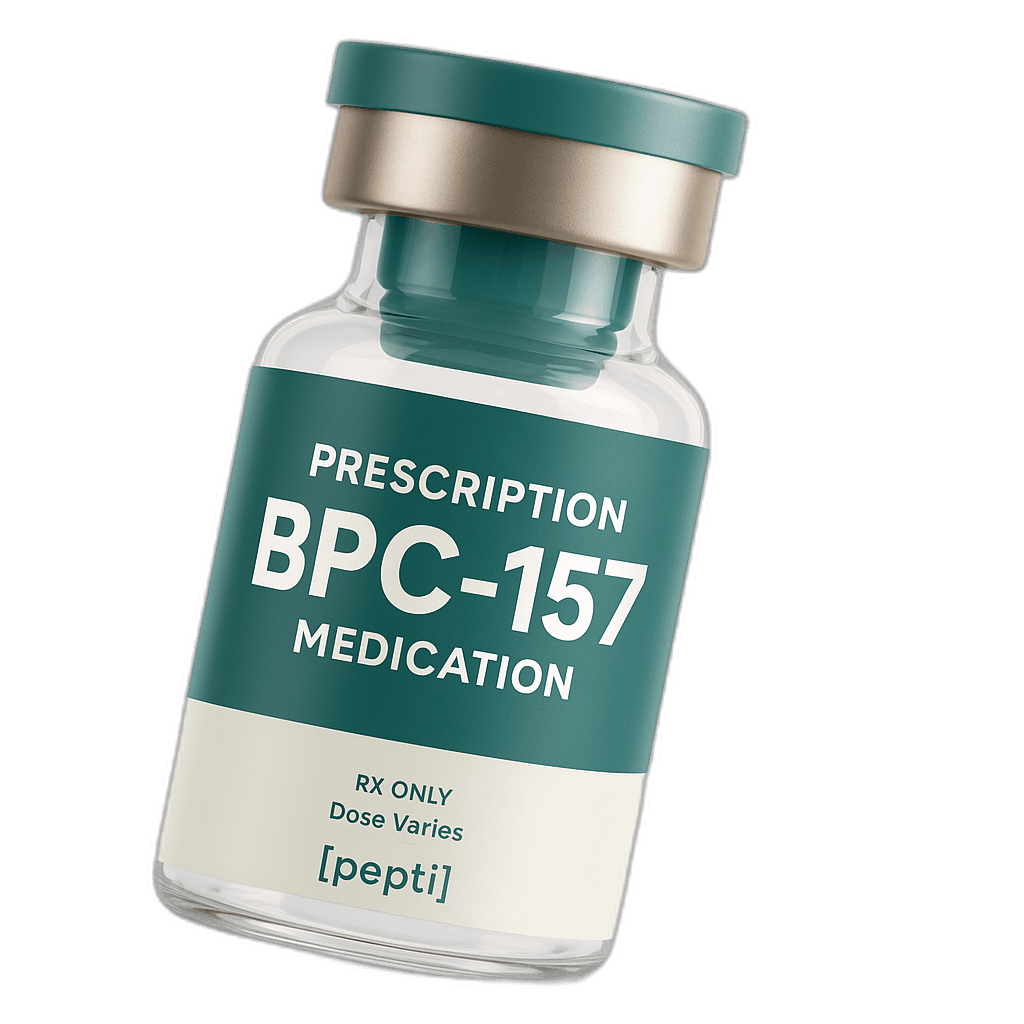
BPC-157
Accelerated healing & gut health
This treatment requires licensed provider review and approval. Treatment is not guaranteed. If prescribed, medication is fulfilled by a licensed U.S. pharmacy where permitted by law. Compounded medications are not FDA-approved or FDA-cleared.
About BPC-157
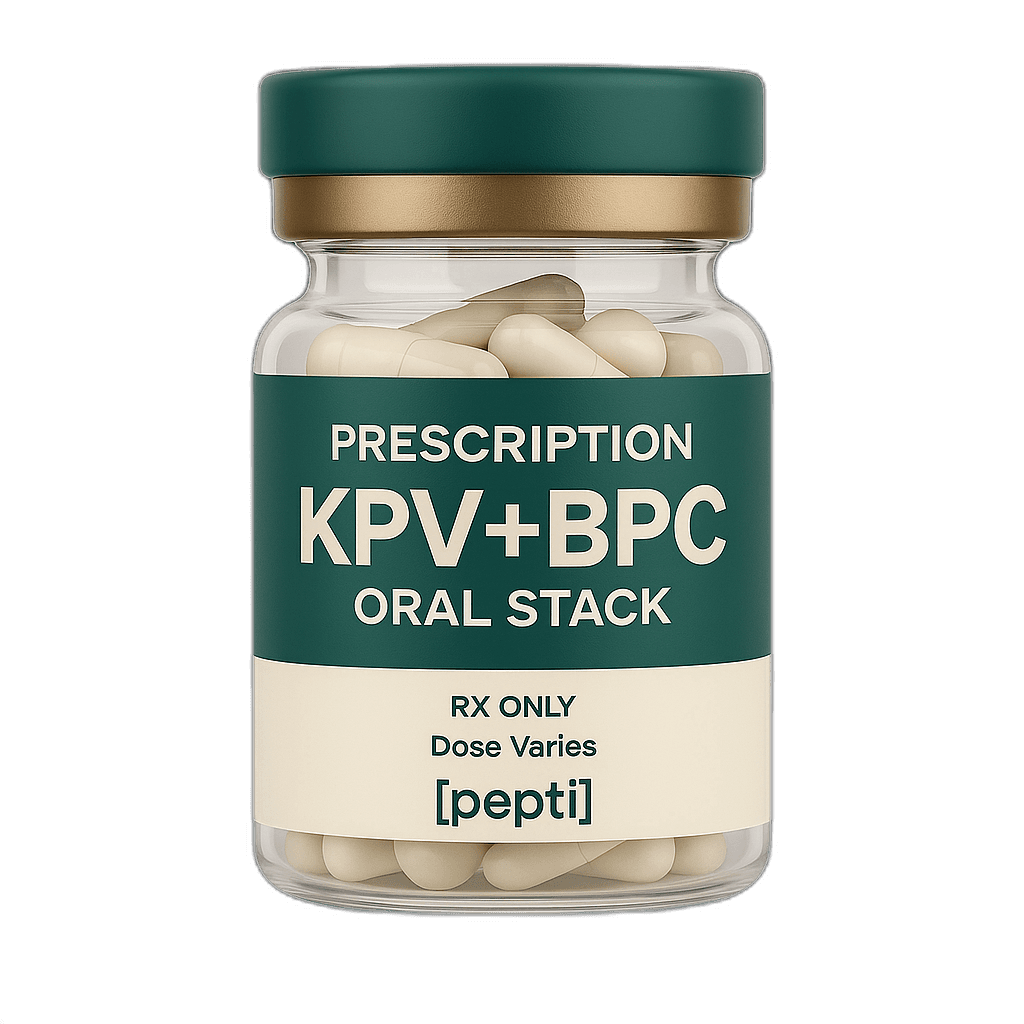
Body Protection Compound-157 supports tissue healing, gut repair, and recovery from injuries.
How it works
BPC-157 (Body Protection Compound) is a 15-amino-acid peptide derived from a protective protein in human gastric juice. It promotes angiogenesis (new blood vessel formation), upregulates growth hormone receptors at injury sites, and accelerates the healing of tendons, ligaments, muscle, and the GI tract lining.
Clinical evidence
Decades of preclinical research support BPC-157's role in tissue regeneration. Animal studies have demonstrated accelerated tendon-to-bone healing (Chang et al., J Appl Physiol 2011), Achilles tendon repair (Krivic et al., J Orthop Res 2006), and gut barrier protection in colitis and IBD models (Sikiric et al., Curr Pharm Des 2011). The mechanism appears to involve upregulation of VEGF and FAK-paxillin signaling at injury sites, driving angiogenesis and fibroblast migration. Human clinical trials are limited, and BPC-157 remains an investigational compound prescribed off-label by US-licensed physicians under 503A compounding pathways.
Benefits
Dosing
Your prescribing physician determines the right dose, schedule, and how it's administered — based on your goals, medical history, and lab work. Your personalized protocol is provided after your consultation.
Important safety information
+
Possible side effects
Do not use if you have
If you experience severe side effects, call 911 or go to your nearest emergency room.
Frequently asked about BPC-157
Most patients notice early effects within 2-4 weeks, with full benefits building over 8-12 weeks of consistent use. Individual response varies based on your goals, baseline health, and dose.
References
- Chang CH, Tsai WC, Hsu YH, Pang JH. Pentadecapeptide BPC 157 enhances the growth hormone receptor expression in tendon fibroblasts · Journal of Applied Physiology (2011) · PMID 22216231
- Krivic A, Anic T, Seiwerth S, et al.. Achilles detachment of rat and stable gastric pentadecapeptide BPC 157 · Journal of Orthopaedic Research (2006) · PMID 16685713
- Sikiric P, Seiwerth S, Rucman R, et al.. Stable gastric pentadecapeptide BPC 157: novel therapy in gastrointestinal tract · Current Pharmaceutical Design (2011) · PMID 21443487
- Sikiric P, Seiwerth S, Rucman R, et al.. BPC 157 in the treatment of inflammatory bowel disease · Journal of Physiology - Paris (2014) · PMID 24139955
Citations are provided for educational purposes. They do not constitute medical advice. Always discuss any peptide protocol with your prescribing physician.
Read more about BPC-157
Get started today
Ready to start with BPC-157?
Free assessment. Licensed physicians. Money-back guarantee if not approved.